
El Pital, Huila, Colombia | 1850 masl | Tabi – Washed | Chiroso – Washed | Manzano – Natural
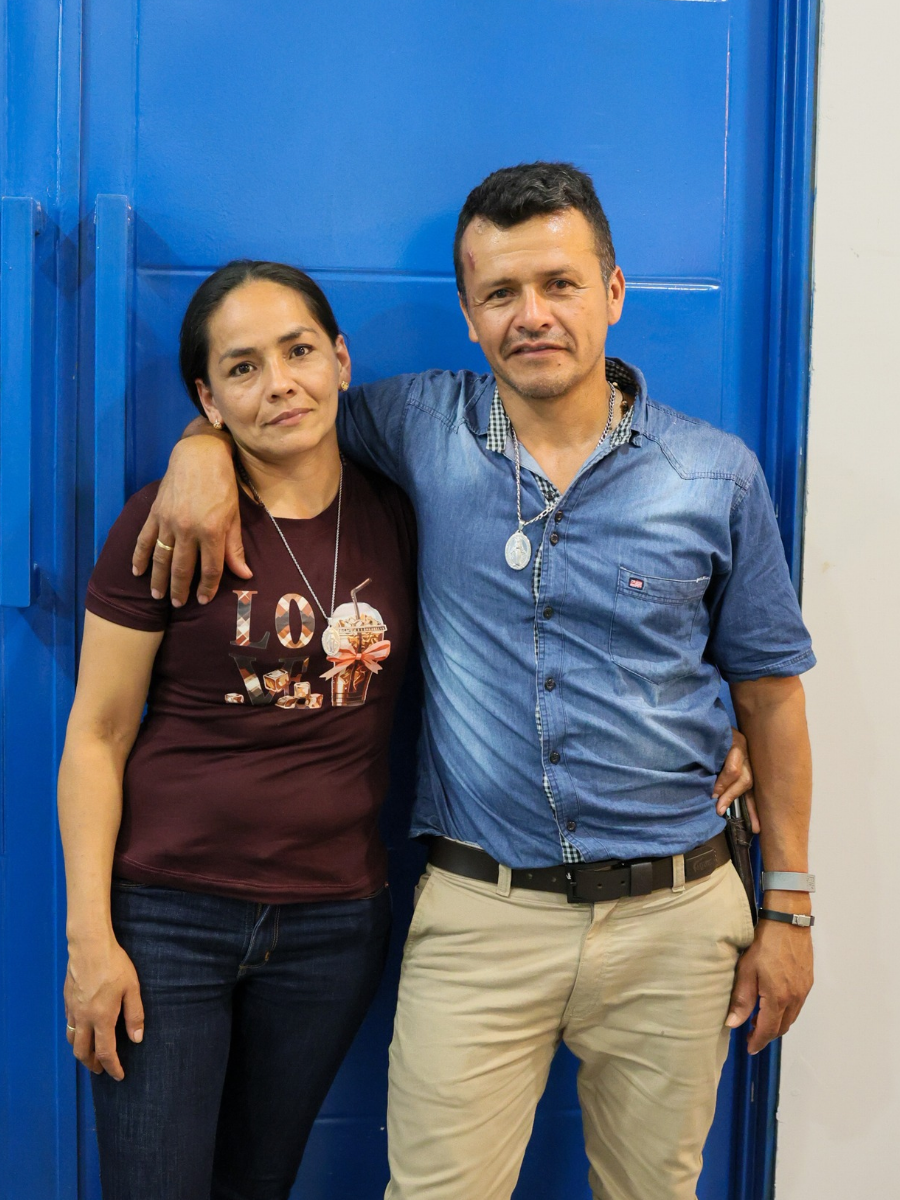
Fernando and Alejandra moved from the department of Caquetá to Huila in 2004, fleeing the armed conflict in their home region.
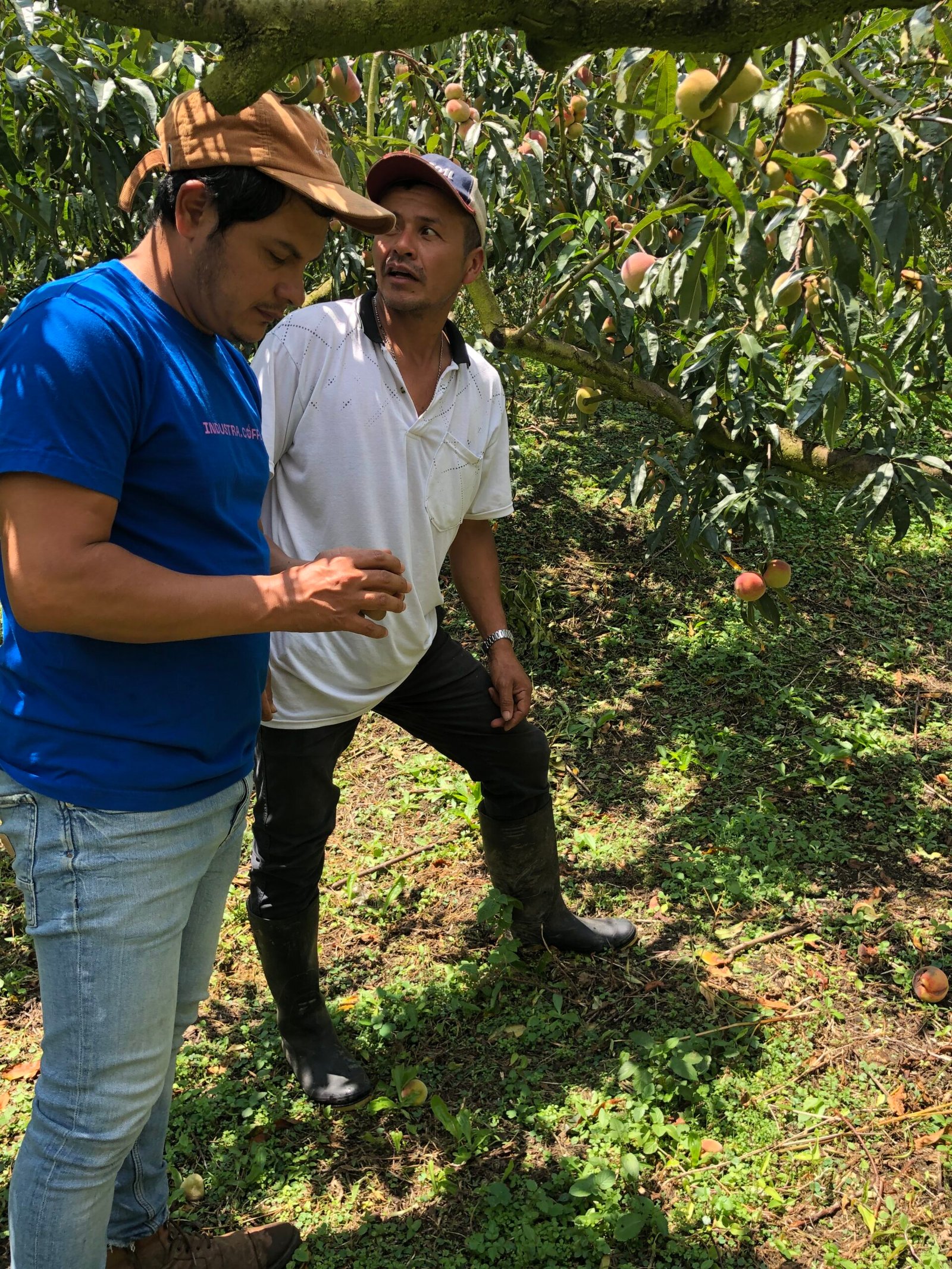
They settled in El Pital, where Fernando had family, and soon began farming — first beans, then peaches, and eventually coffee.
According to the Internal Displacement Monitoring Centre (IDMC), Colombia has the world’s second-highest population of internally displaced people, with an estimated 6.8 million Colombians displaced within its borders. This number reflects the extensive impact of the conflict on civilians over several decades.
Fernando is a social activist whose drive and commitment stem from his own experience of displacement. In Huila, he became involved in community movements opposing large hydroelectric dam projects planned by the government and foreign companies. These projects, such as El Quimbo, threatened local livelihoods through displacement, environmental damage, and the loss of agricultural and fishing opportunities. As part of the community’s response, the Diocese organized trainings to help affected families rebuild their livelihoods. It was during these sessions that Fernando learned about crop diversification — a strategy that helps farmers adapt to changing conditions, reduce risks, and strengthen their income sources. By applying these principles, he has developed a solid and resilient business model, combining different crops and securing stability for his family.
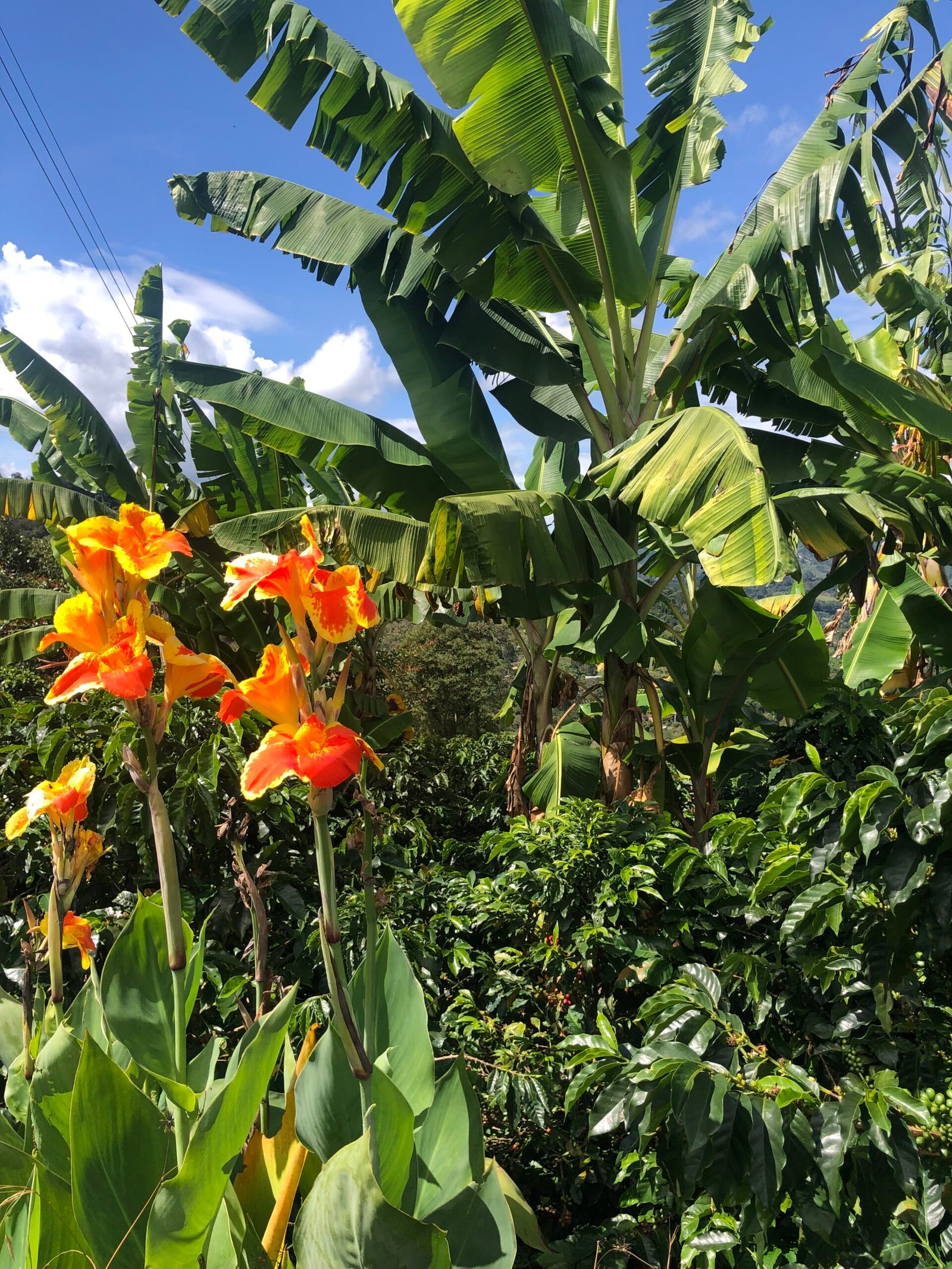
Because Fernando is always looking at doing things differently, he planted unusual varietals like Chiroso, Tabi and Bourbon Manzano. Most coffee producers in the area have planted the Cenicafé varietal.
Introduced in 2002, is a cross between Typica, Bourbon, and the Timor Hybrid. It was developed to combine resistance to coffee leaf rust with the high cup quality associated with Typica and Bourbon. The washed process makes a consistent clean, round profile, depulped beans are oxidized for 48 hours.
A relatively new varietal in Colombia, notably from the Urrao region in Antioquia, chiroso was thought to be a natural mutation related to Caturra, though some recent genetic studies suggest links to Ethiopian landrace varieties. It shines through a washed process, depulped beans are oxidized for 48 hours.
A varietal whose genetics is unclear but producing a very round cherry – like a small apple (manzano in spanish). This varietal makes a simple profile as washed, but the natural process (no pre-drying fermentation) gives it a much more complex, fruity and clean profile, allowing for better price.
We also want to acknowledgeAlejandra, his wife, in this achievement because women often work behind the scenes in the coffee businesses of smallholders. Alejandra takes care of all the farm workers, cooks tirelessly every day for 5 to 15 people, and ensures everyone has what they need before heading out to work on the farm or in the mill.